

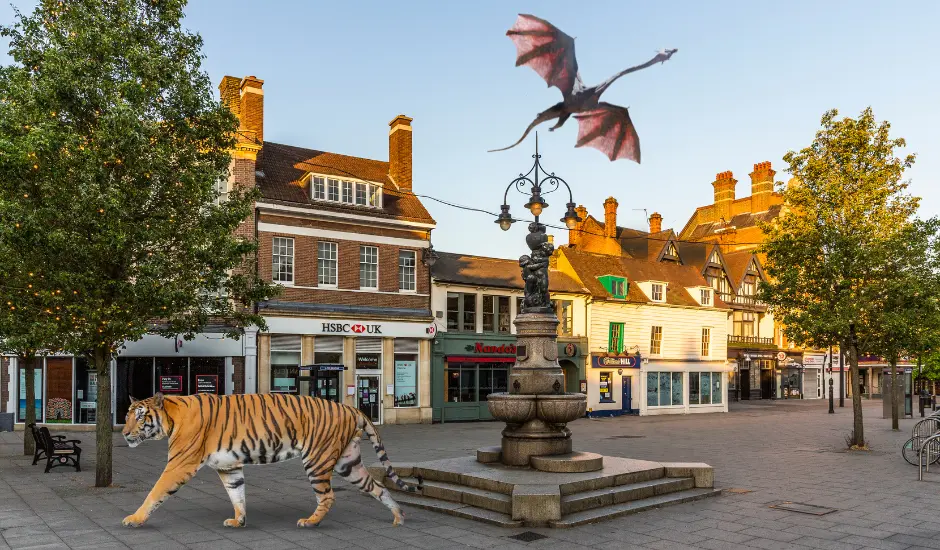
We take an in-depth look at an often under-reported eye condition that affects around 1 million people in the UK.
For many people living with sight loss, Charles Bonnet syndrome (CBS) can be an unexpected and sometimes unsettling experience.
CBS causes people with significant sight loss to see things that are not actually there.
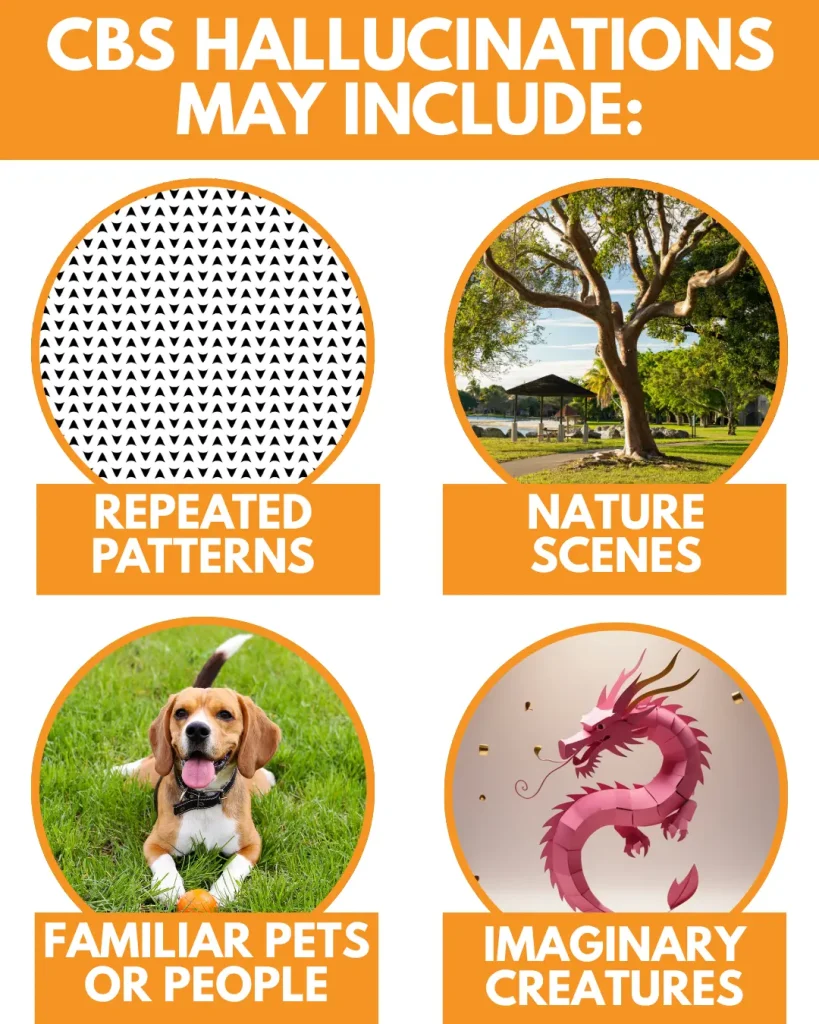
These visual hallucinations can range from simple patterns, shapes and flashing lights to detailed images of people, animals, buildings or landscapes.
While the images may appear very real, they are not a sign of mental illness or dementia.
The condition is thought to affect around one in five people with sight loss, although experts believe many cases go unreported because people are often worried about what others might think.
One of the most challenging aspects of CBS is that many people have never heard of it before their symptoms begin, and seeing vivid images without warning can be frightening, particularly if someone does not understand why it is happening.
Experiences differ by individual
Some may see faces, children or animals that disappear moments later, whilst others report patterns covering walls or floors, or entire scenes appearing in front of them.
The hallucinations can last for seconds, minutes or sometimes longer.
Although CBS does not affect hearing, touch or other senses, the visual experiences can still have a significant emotional impact.
Some people find the hallucinations fascinating, while others experience anxiety, frustration or embarrassment. Feelings of isolation are also common, especially if someone worries that friends or family will not understand.
What causes CBS?
Understanding what CBS is can often provide enormous reassurance.
Learning that the hallucinations are a result of sight loss, rather than a mental health condition, helps many people feel less anxious about their experiences.
Researchers believe CBS occurs because the brain continues trying to process visual information, even when the eyes are no longer providing clear signals. In effect, the visual centres of the brain create images of their own.
While the exact mechanisms are still being studied, CBS is increasingly recognised by eye care professionals and sight loss organisations.
Coping with CBS
There are several practical techniques that some people find helpful.
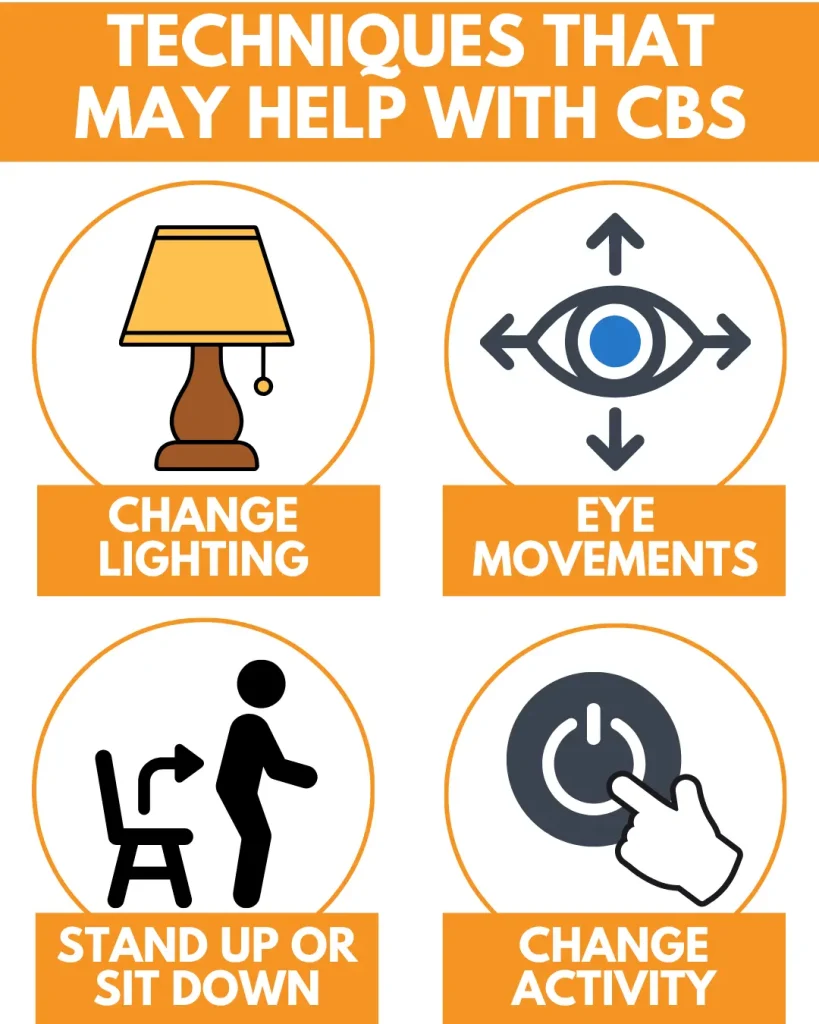
Changing lighting conditions, moving the eyes from side to side, blinking, standing up, or focusing attention on another activity can sometimes reduce or interrupt an episode.
However, what works varies from person to person.
Perhaps most importantly, nobody should feel they have to cope alone.
Talking openly about CBS can be a powerful source of support. Family members, friends, rehabilitation officers and sight loss organisations can all help people understand and manage the condition.
Dedicated CBS support organisations such as Esme’s Umbrella can provide information, resources and opportunities to connect with others living with CBS.
Simply hearing that someone else has experienced similar hallucinations can be incredibly reassuring and can help reduce feelings of anxiety or isolation.
While Charles Bonnet Syndrome can be confusing and sometimes distressing, awareness is growing. With the right information and support, many people learn to understand their hallucinations, reduce anxiety and regain confidence.
Charles Bonnet syndrome is more common than many people realise, and help is available.
We’re here to help
If you have sight loss and experience visual hallucinations, it’s important to speak to an eye care professional or rehabilitation officer – so please get in touch with our team and we’ll support you.